
'/%3e%3cdefs%3e%3clinearGradient%20id='prefix__paint0_linear_4737_37157'%20x1='3.018'%20y1='23.6'%20x2='44.925'%20y2='24.977'%20gradientUnits='userSpaceOnUse'%3e%3cstop%20stop-color='%231CB7FF'/%3e%3cstop%20offset='.502'%20stop-color='%232FF58B'/%3e%3c/linearGradient%3e%3c/defs%3e%3c/svg%3e)


Read the full Q&A with the media from managing director Robbie Evans
Sep 13 2026 18:51 · By onefootball.com · 6 Reads


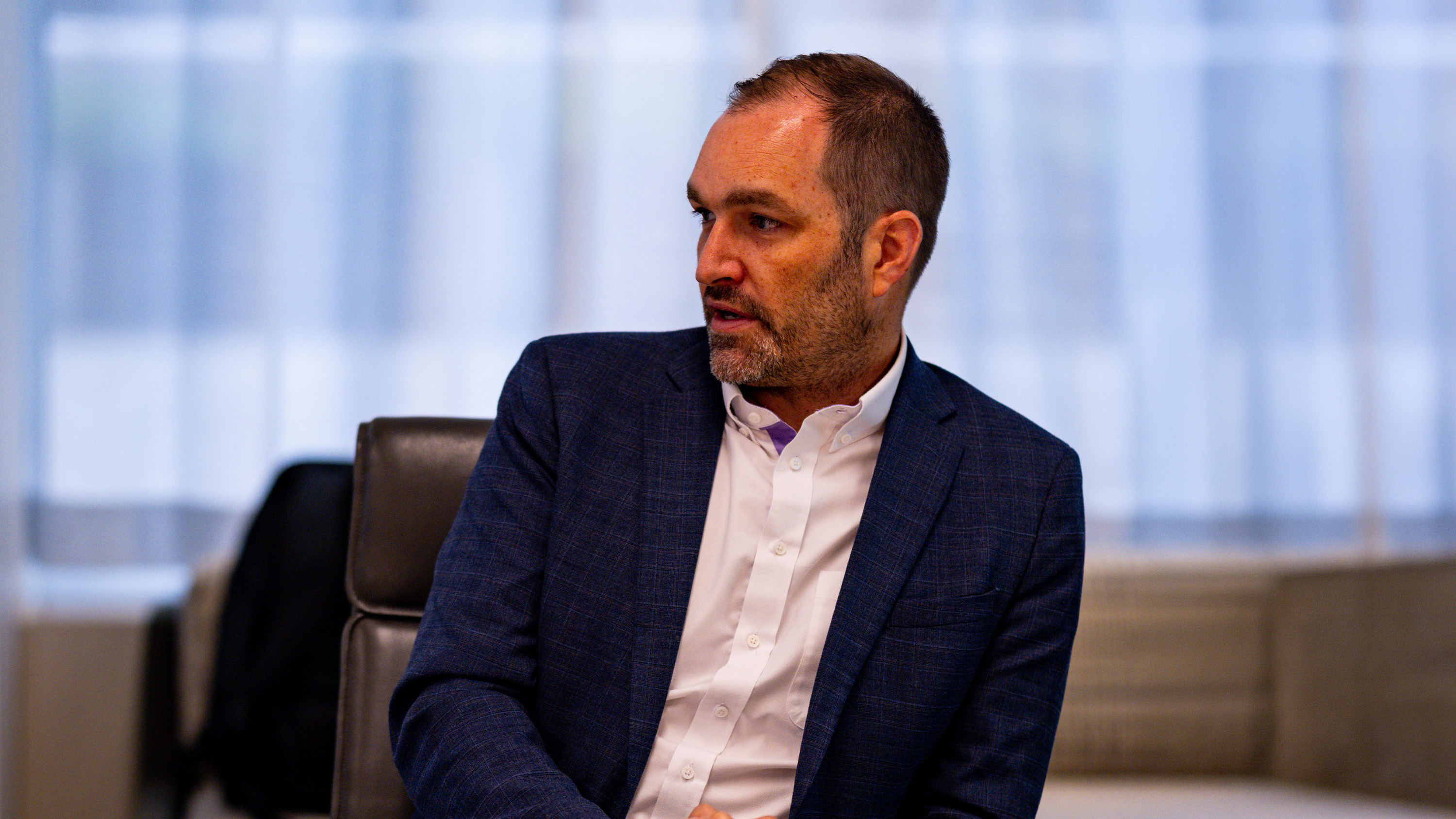
Leeds United's managing director Robbie Evans spent time talking with the media this week. Following the conclusion of the summer transfer window, plenty of topics were discussed, along with other matters both on and off the pitch.
You can read questions and answers below:
Robbie, thanks for doing this. You know, firstly, we do really appreciate it. So the window, how successful was it? Bearing in mind last year it was "good window, bad deadline day," I think was the phrase, wasn't it?
I think last year the phrase was we had a good window and a bad deadline. I would say this summer was a good window and a good deadline. The key for us is we had a couple of top objectives to accomplish, and those all got done early, in terms of left-footed centre half, inverted right winger, and a goalkeeper. And from there, having signed our top targets on all three of those positions, we were able to go and pursue roles around the pitch to make us better and stronger, and have time to do so. So we're quite satisfied with the window.
I must say I’m a little concerned by how optimistic the fans might be, because I don't think that last summer, when the window closed, had been as perhaps as bad as folks thought it was. And this summer, the real proof will be a year from now looking back. Hopefully people have reasonable expectations, as we are certainly aspirational but the Premier League is always challenging.
So we're quite content, I'm very proud of how the team worked this summer. Adam and Daniel worked well every day and did a wonderful job, with constant coordination and constant collaboration. Alex Davies, Hannah Cox, the whole team, Paraag of course, I was very proud of how we worked and what we got done. On balance, it was a very good summer for us.
You said you fulfilled some of those main targets early on, which is great. Overall, do you feel that you fulfilled the rest of the remit when it came to targets?
Yeah, we filled all the key roles to fill. The current debate is around how much to go on depth, right? I'm guessing that most of the questions out there now, and before deadline day, were on a fourth full-back or a third striker and things like that.
That's where the constant collaboration with Daniel was critical. We filled the roles we felt were key to fill, at the right sort of fit as far as squad fit, character fit, long-term financial commitment, that kind of thing. We're very pleased by how we've taken on the summer and with the squad, broadly speaking. I think we'd all love more depth and that sounds great in theory, but in practice it's hard to find the right fits in every single role, especially finding guys who can come in, be content not starting, but also be good enough to play, and also not get in the way of a long-term plan. In the end, the squad we came out with is a really good fit for our goals this season and for our goals long-term.
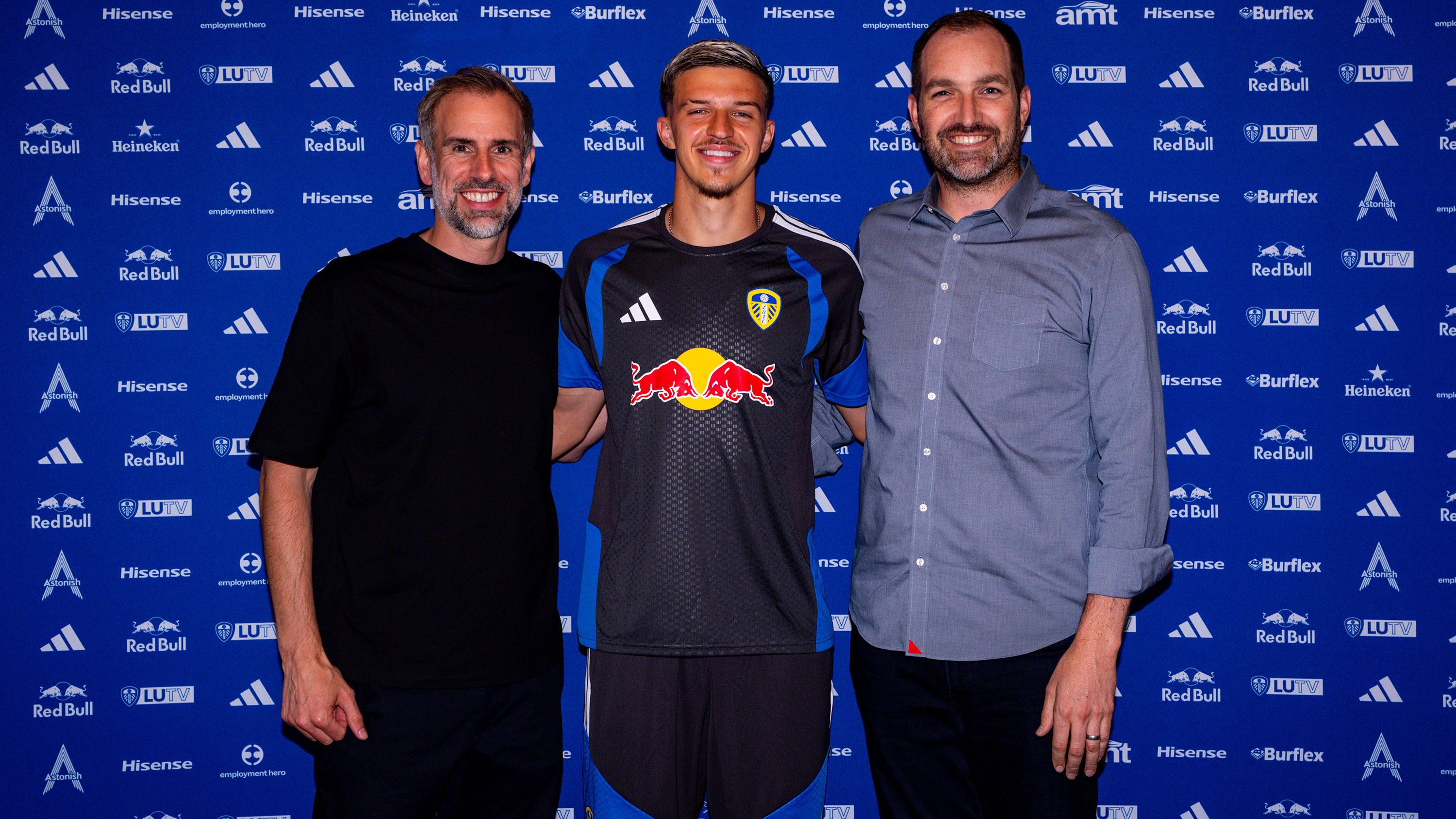
Robbie, this might come onto another subject, which I'm sure we'll want to get into, squad cost ratio, but, the pursuit of another main striker. How much were you limited, or how close were you maybe to getting, a third one in? And the example I'd use would be somebody like Zian Flemming, say, who goes to Ipswich for £20m, but he'll be their main guy, whereas here he could be three here as an example.
The phrase "main striker" is critical here, in terms of discussing a striker or the other possible backup roles. There was no desire at all this summer to find a striker who was going to compete with or takeover for Dominic’s spot. It was never going to be a number-one striker this summer for us. I know there was talk about adding a striker back in January and that's a different topic. But as of this summer, it would have been a supporting role only.
As noted earlier, supporting roles are quite hard to fill because you have to have this sort of Venn diagram overlapping the right character fit, the right squad fit, the right price, and someone genuinely content to be a backup or at least fight for their spot. Because if someone comes in thinking they're going to start and then they're not, they're going to be a problem in the dressing room, which was a huge part of our success last season. The number of players who are good enough to play in the league, willing to fight for their spot or be a backup, a good fit to our target profile and style of play, and worth a long-term commitment financially, is a very, very small list.
For example some of the names or rumours out there were players that would not want that role, and we were not going to pursue them to come in and be unhappy on day one.
I won't comment on what other teams have done, but I'd say in general, whether it's the left-back role or it's the supporting winger role or it's the striker role, those are always tricky. And so that's why we held out and kept them open longer.
In the end, I think we have a pretty good solution with our current squad, and we're two deep in striker depth with the guys we have. Even when you look at Manchester City, Erling Haaland doesn't really have a backup. Everton’s got one true striker. We have two, and we'd all love more, but those players come at a cost in terms of minutes, in terms of dressing room, in terms of SCR. In the end, we were pretty content with the group we've got.
In early June, with a lot of plates still spinning, a lot was up in the air, the sort of the general feeling was that the bulk of investment might be in attack over defence, because you had a good backline, very good midfield. "Difference makers" was a phrase that had been sort of bandied around. So are you content that that remained the case and was executed, or did that strategy pivot into more investment at the back? And ultimately you were left with Bahoya and Wilson in the final third. So can you talk about that? The balance between defensive and attacking investment?
Yeah, I think our expectation coming into summer was to be a bit more attack-heavy. At that time, there was still some hope that Pascal Struijk would stay and then he decided he wanted to leave, which is a different topic. We also recognised the entire time that signing a player like James Trafford would be very, very challenging. If you end up getting him in, that changes the financial weighting of your summer.
Then there were a couple of targets at the sort of left wing, loose wing spot that we didn't get in, Julian Brandt being well a publicised example. The final mix depends on who's there in the market, who's a good fit, and by the end of the summer there was a pretty small list of names that were signed off by both Daniel and the sporting department on the winger roles.
In the end, we got our top target right wing in, in Harry, we got that done early and then got a really high upside signing left winger in Jean-Matteo. That's about what we thought would happen as far as filling the various roles: Two wingers was most likely. We were prepared to also get a striker in, but it didn't feel probable to get all three of those in given the challenges mentioned earlier.
In terms of filling squad roles, it ended up similar to what we had discussed with Daniel back in May.
As an aside, part of the challenge for me in these conversations is always how people look at the fees when they debate whether we are putting more money here or there. What does the free count as? What does the loan count as? Where do wages enter the picture? Jean-Matteo's transaction, if completed, is still a pretty sizable transaction. But in the moment, people might count that as a "loan only."
My view is that we brought in two players who are each worth eight figures, but they might look like “a free and a loan”. We missed out on some other big names, there is no point in hiding that, but we ended up with two wingers to the original question about investing in attack, and also ended up replacing Pascal with Tarik and adding James Trafford, both premium signings, which led us to adjusting the other adds around them.
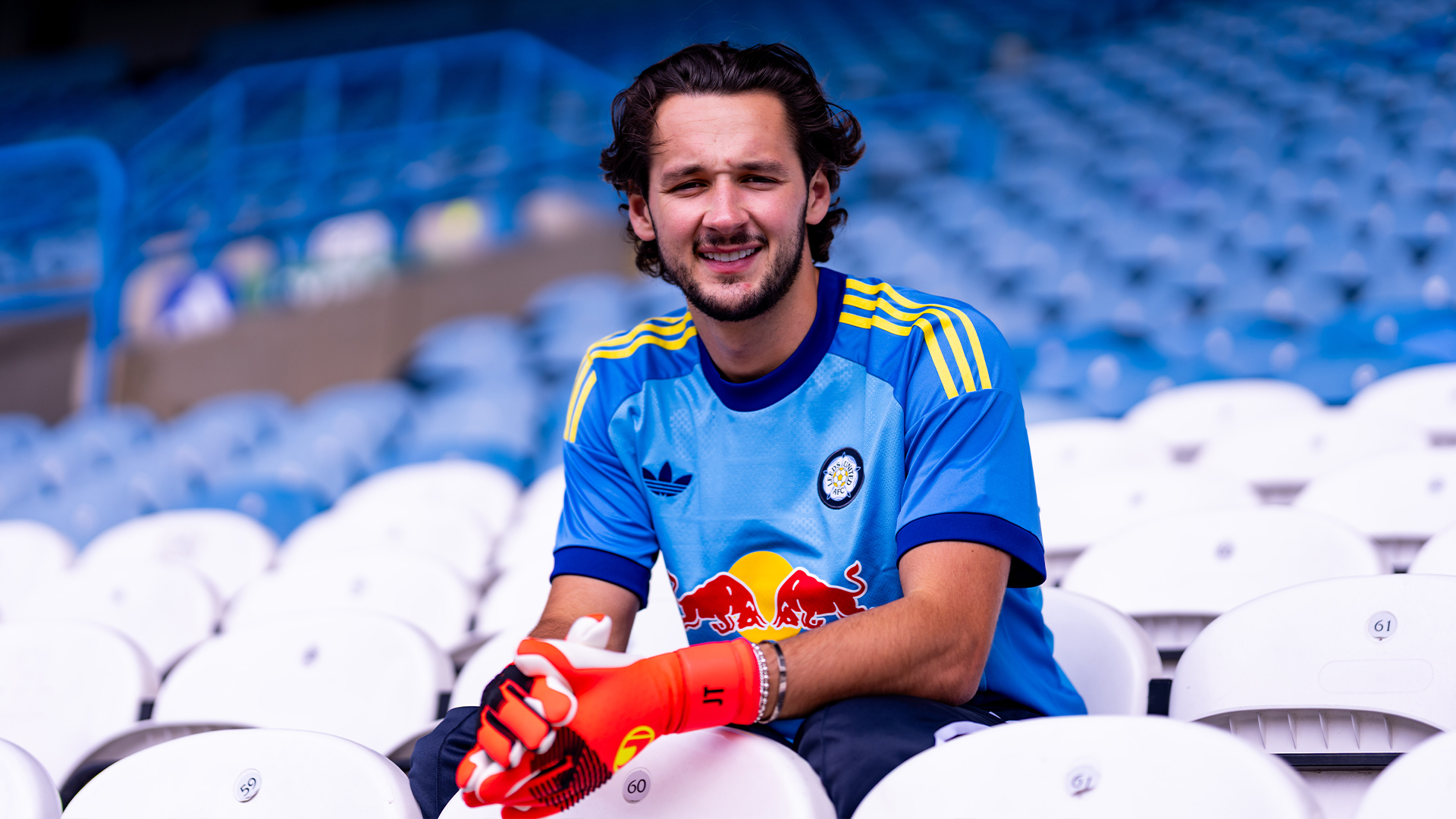
Can we box off Brandt? Obviously that was a very particular profile of player. Publicly, at least. Were there any other targets that were knocking around in that mould? Time seemed to tick on a bit with Julian. Can you maybe explain to fans about patience that used there, and if that impacted anything else happening?
Julian fits in the category of the now-often-used phrase "market opportunity” where it was a combination of a player we knew, Daniel knew, a top talent and free agent who fit our system of play. Looking at that ratio of expected production versus price, he was one to go after early. He would have played in that left inside 10 in a 3-4-3 for us.
Were the other players of that ilk out there? Yes. Were they going to be as easy a fit to our long-term plan, current squad, dressing room, SCR, etc? Definitely not.
(After Brandt didn’t happen) It became a debate of do you go for more of that 10 type versus more of a direct winger type. I think also having Harry and Brenden in, the mandate from Daniel late in the window was to have the next attacker be one that can get down the pitch, in the model of Noah or, ultimately, Jean-Matteo. That’s what led to the Mudryk discussion as well. The plan is always evolving, down to the day, and when Julian rolled off, it became less about another 10 and more about a direct left wing. That's why we ended up with Jean-Matteo.
Last year you described Dominic as a £20 million investment. How would you describe the outlay on Harry Wilson overall, to give us or the fans some context to how we should see that investment, rather than just a free signing that's arrived for nothing?
I don't think I'll get into the exact financial equivalency but I do view him as a player in that same realm of being a player worth teens of millions, even in his late 20s, as far as the quality of player we're getting. I would answer the question more along the lines of, we finished behind Fulham last season and got their player of the season on a free and it's hard to imagine that being a bad idea.
Especially given our focus on set pieces, Harry’s delivery, both on indirect and direct free-kicks, and needing to fill that right-sided left-footer role, he's a perfect fit for us.
So I'll skip the price tag question and just say he's a high-value player and we’re thrilled to have him.
Can we talk about Pascal and his exit? Because, obviously, not to you guys, but from the outside, it was a slight surprise that you needed to sell to meet the PSR limit. Can you just explain a bit about that situation?
Sure. To be honest, I was a bit surprised at how confident some people were that we were far clear of PSR last summer, because I said back in September that we had, I think the word was “unequivocally” maxed PSR out.
You never quite know how you are going to end up on PSR, or SCR for that matter, until the season is over because your financials are constantly evolving, but I was pretty confident coming into the year that we would have to sell some guys in June. Frankly, it was the cup run, the 14th place finish and doing pretty minimal work in January that kept it to being just one player. Last August, we were prepared for it to be two players if needed because the goal was, go as hard as you have to go to build the best possible squad to survive. That was a risk we took on last summer.
So we knew that was going to be a possible issue in June, depending on the outcome of the season. Pascal was the solution for that.
As for the outside view, I think sometimes the sort of general reporting in the public of where teams are, versus the PSR standard is a little off, and those differences are hugely impactful. Being off by 5 million one way or the other is a huge difference. For example: Being 5 million over can be the profits from a whole additional player sale netting out the sell-ons and the agent fees and the book value such, whereas 5 million under once you’re into June is plenty clear. These things go on fine margins where even 1 million or 2 million in a certain direction might swing the outcome.
And how helpful was it that, as we gathered, Pascal sort of made his intention clear early, so you were able to sort of go in for Tarik and sort of fill that hole pretty sharply?
Pascal's appeal to other teams was clear before the year was over. He was debating going or not, and he was helpful in deciding pretty quickly so we could decide to sell him before June 30th.
We were prepared for that possibility all season; we did tons of work on left centre half last year, probably the most work of any position in the entire pitch, just in case he left. Once we knew he was leaving, we began the work on the replacement even before he was gone. Having that news early was helpful, but we had, like always, various contingencies for Pascal, just as we do for other players. It presented a solution to our PSR problem that he wanted to go even if it created a hole to fill, which became Tarik.
Could you talk us through that deadline within a deadline? Because I guess, you know, one day you've got to hit, say, 5 million, and then the next day you're clear and you're able to spend again. And maybe Brighton have been in a different position, they might have had to wait until July the 1st. And the fact that it's in the middle of a window, I mean, it must be really complicated and really difficult?
It's a little odd to be honest. I made a comment the other day about Pascal being a “deadline deal”, and someone was confused by that comment, but I see the summer as having two deadline days: PSR deadline day, and then there's the actual trading deadline day, though that will probably reduce significantly under SCR versus PSR.
The reason why you can find that buyer and seller match in late June is because when you're in PSR rules, when you sell a player, all the profit hits at once whereas the amortization of the purchase is spread out. So if you're Brighton and buying the player you’re only booking a month or even a portion of a month, depending on how they account for things, of book value amortization hitting at that point in time. This allows a team, even under relatively tight constraints - which I doubt Brighton is, by the way, because they sell very well – to do a June 30th purchase on the timing needed by the selling club.
There is some time pressure too: If we don't sell by June 30th, suddenly our incentive to sell goes away for quite a while. So if they want a deal done, it's a bit of “let’s get it done by June 30th or it’s not happening right now,” and they might get stuck waiting until August or later and competing with a messier market. So there's some time pressure on both sides to get it done, but it's also a case where the rules affect the sellers and buyers differently, especially under PSR.
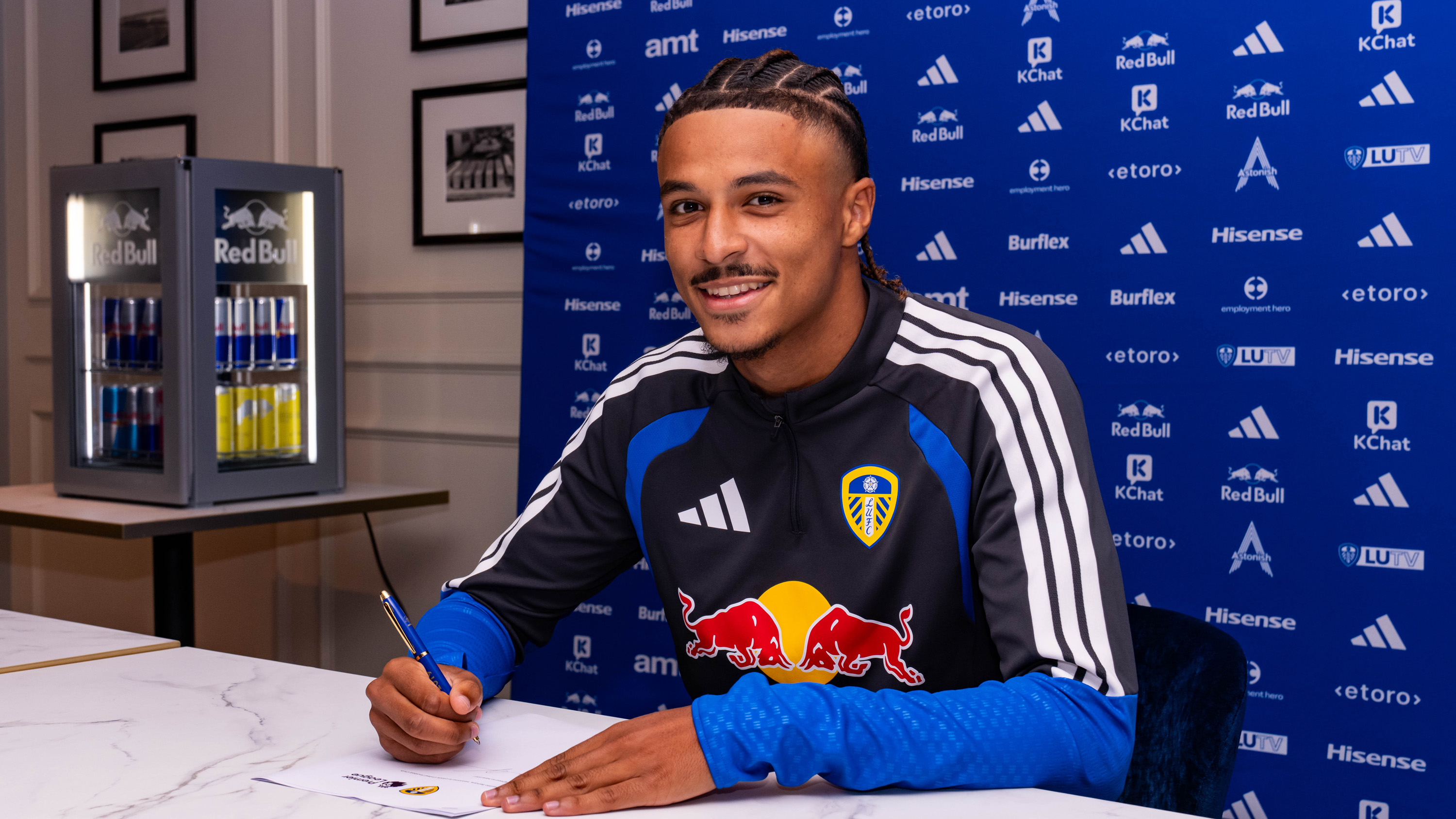
So do you have to have some backups in place just in case, if Pascal injures himself, getting out of bed that day and all of a sudden you need to find another deal?
You're going to have to have plans on plans and we did. It's also helpful that we didn’t have to literally sell Pascal on June 30th. The deal happened ahead of that. Much like deadline day - I'm sure we're going to discuss deadline day at some point here - we don't love being in the position of having to do something on a certain day, ever, because are at the mercy of elements beyond your control. Getting that done a bit in advance was helpful, for sure.
Is that difficult if you have to have a conversation with a player who you don't want to sell, but if Pascal doesn't go through, you might have to sell? Or are people within the industry quite grown up about it, knowing this is the way it works?
In this case, we never had to have that discussion. Because we had a clear enough idea from Brighton and from Pascal on where this was all headed. We didn't have to dig in and say to another player "Hey, if Pascal stays in, you're going out”. Just in general, we would tend to only open the door on exit discussions when a player seems highly probable to leave, because it's a hard conversation to have. In this case, we didn't really have to do that.
On Tarik, on the topic of left center backs. Experience has always been talked about as one of the big attributes of a lot of the signings since the 49ers came into control. He's only had one season of top-flight football. So what was it that you, Alex, Adam saw in him, based on very small sample size, that he was worth such a big investment?
The phrase I think you heard last summer was "raise the floor. " This summer it was, "raise the ceiling” and also get younger. It was less a focus on players who played loads of minutes in top-five leagues, and more about players that have both the quality now, but also the quality to go even to the next level. Between Daniel, the staff, Alex, and Adam, the view on Tarik was simply he has a really high level already, but also he has even more to give, and so he's worth the investment.
We did also add experience, in the Elvedi, Bard and Wilson types. So we added both, and in key positions of need this summer we got better, hopefully for a longer period of time than last summer. We have had this planned out for a while as we fully recognised that last summer, when you're only buying 27-year-olds, it's not a long, long-term solution. Someone like Tarik gives you a significantly longer runway to build the squad and build your levels and improve over time.
I'm guessing that was quite a key policy of this summer to sort of even out the age of the squad a little bit. I think I saw a graph last year that said 99% of the players used were between 25 and 29. So I'm guessing that was something in mind?
Yes. We knew we were very veteran-heavy last summer, and that was intentional. That felt like the best way to get experience at the right price. That was a very deliberate strategy. But we do have to evolve towards being younger going forward, though same time, we don't believe in getting younger for younger's sake. Just signing young players who won't play doesn't make you actually any better long-term; we have to get younger and better, hence the sort of investment in top prospects with experience and production, like Tarik and James in particular, but also Jean-Matteo. That mix of getting better while getting younger was the goal, but it's very hard to do. There's probably only one to three achievable targets at any given position that can do that for you, so it was critical land our top targets in those roles.
You mentioned James, how confident were you? Always very confident? Can you explain what was the timeline was? Were you always confident you could land James?
I believe I gave Graham the phrase last summer that life in football is a "healthy level of anxiety at all times.” You are never fully confident until a player is done.
James is a player, being an English national team player, the future England number one in our opinion, a world-class player already and getting better still, that you are always wary of the competition. Until it's done, you're never overconfident. I think that healthy fear of the competition helped us, because we were on our A-game the entire time with him and trying to be very deliberate in our approach to his camp and be responsive to their needs and pitch the project as a fit for him and his career.
But no, in short, you're never fully relaxed until they've signed. And that was the case for him, certainly, because we knew that he’s high enough level that if some club out there, even a world-class club, has an injury in training one day they might just come after him.
What was the biggest difficulty in those negotiations? Because it dragged on a little, at least outwardly it seemed to drag on a little bit. What was the real crux of the issue with City or with James to get it over the line?
I don't think those negotiations were especially difficult. They were just slow, because of the World Cup in particular. This summer, broadly speaking, was a really intense one, a really odd one, because a lot of players wanted to find a solution before the World Cup, and some wanted to wait until after, so there were different phases.
For those individual players, they were sort of max intensity in their part of the window, but for us it was max intensity the entire time because the window came in waves. James was sort of slow then fast. It wasn't anyone's fault. It was just the nature of the World Cup and him coming back from that.
Talking about landing your top targets, how easy has it been to sell the club, now you're not a newly promoted club in the league?
I think certainly in approaching the player market, it's an easier sell now. But it was a pretty straightforward sell last summer too: The key thing we push on is the project, the backing, and the club.
Someone like Tarik, being a 23-year-old player from Bosnia, he might not realise that Leeds is one of the biggest clubs in the world. A lot of our pitch is talking about, even in the relegation years, even in the Championship, that we have some incredible figures on just how big this club actually is. So you're not having to sell or spin the project, it’s more like educating on the project, because Leeds genuinely is massive.
It certainly got a bit easier this year, not all of those guys would have come last summer – even if we know Harry was interested then - as it can only help to have good seasons in the Premier League. Even finishing 14th versus, you know, just barely avoiding relegation helps too.
There's a real perception of the club as being stable. The agents see that, the players see that, and so they want to be a part of something that's going somewhere. They see this as joining an ascending project.
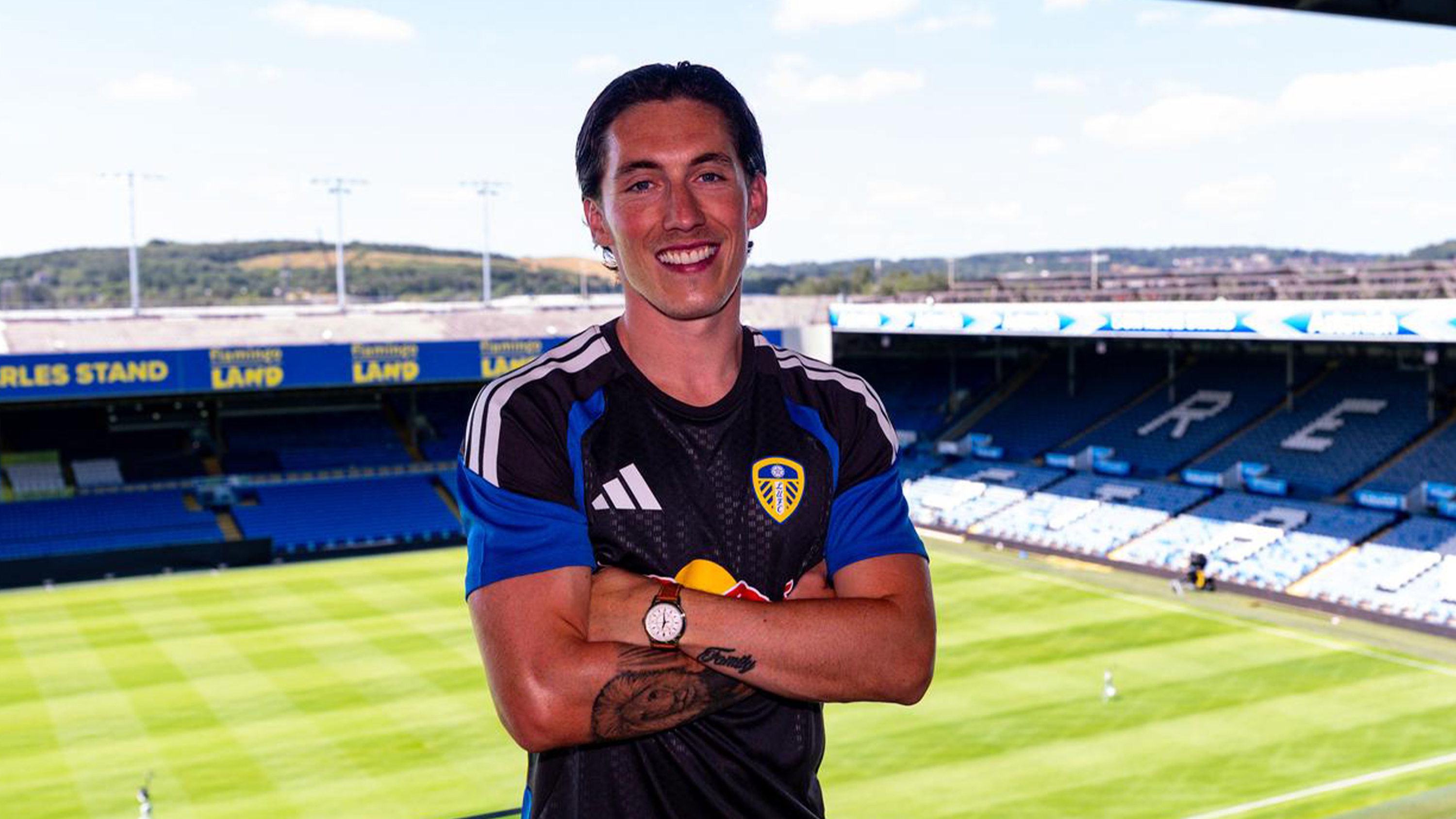
Because like you say, it sounds a bit unsettling how optimistic the fans are, but it does seem to be wider. You know, people from further fields seem to sat up and take a notice about what you've done this summer. Predictions generally are very positive for how you're going to go...
Definitely. I've seen quotes from folks like James, and they're talking less about avoiding relegation and more about looking up the table. I think we all have that same view even while remaining respectful to the challenge this league presents.
So, again, the key is people want to be a part of something that's going somewhere. Whether you’re in my role, or if you're in Daniel's role, or you're in the player's role, they want to be part of an ascending project. The players coming in believe they're part of a great club that's going to get back to great heights, and that's very exciting for all of us.
Michael Zetterer, he would probably be old enough to understand where Leeds are, whereas maybe someone like Jean-Matteo might be a bit younger. How different is that pitch of yours, I mean, did you get time to pitch to Jean-Matteo anyway? Because it was also late on, but how different is that for you to alter your pitch?
I think with any player, it's like any person you talk to in sales or in your personal life, you're going to meet them where they're at. We try to understand what's important to them and how we can suit their needs, and in the same way share what's important in terms of the sporting project, and how they can play a role in that vision. It's very much a conversation about how we can help one another. It does evolve a bit from player to player, but it's not that different, because Leeds is still Leeds, Yorkshire is still Yorkshire, and Daniel is still Daniel, and so on.
So not that much that changes, even if their own sort of preferences and goals might be different and we might lean into those different things. But overall, I'd say that how you frame the project is pretty consistent from player to player.
How much has Daniel's role changed, would you say, from last year, in that dynamic or in that sort of final bit with the with the player, would you say? Or has it not?
In general, our recruiting process has been consistent for the last two years. Alex and Adam, and often myself, make the initial inquiry to players, and the initial pitch to the family, the agent, the player, whatever it may be to get them interested, talk about the sort of overall sporting project. Then Daniel is the sort of closer, the detail on how to fit in the squad, the plan for the dressing room, how he's going to deploy the player on the pitch. That's been the sort of player engagement process all along.
Behind the scenes, Daniel and Adam talk every single day on targets, who fits where, prioritisation, that kind of thing. So behind the scenes, it's very much a constant collaboration before we even get to external discussions whereas in those discussions it’s more phased, and Daniel tends to be the kind of final closer in that process.
What was the reality of the Shea Charles situation? It rumbled on for a long time. How would he have fit in if you had got him?
It was just a matter of we had our overall squad building goals, we had our financial parameters, and we had a view on where we could fit the player in terms of the sacrifices or compromises elsewhere that have to happen because of him.
At some point, you hit a point where it just felt like it's not the right thing for us to do, and so you walk away from that. Again, that was in the kind of more of a market opportunity. There weren't a lot of players in midfield that we felt had the right age, profile, and fit to go after.
When we didn't get that one, it wasn't an urgent need to go and sign a midfielder because our midfielder is quite strong, actually. So it was worth looking into, and we did, and then at some point it felt like it was no longer the right value for us and the best move was to have the discipline to walk away.
On the winger situation, it's quite a gear change going from Mudryk and then a young project comes in. Does the manager think that's not what I wanted or did he have to suck it up a little bit?
I can't speak to Daniel's experience of days like deadline day but the key for us is the word we come back to is "profile". The broader characteristics Daniel and the staff wanted in that role was a left-sided, probably inverted right footer, who can play direct, get up the pitch, and create final third threat.
The two players you mention (Mudryk and Bahoya) are players that have very different histories, different prior moves, but as far as delivering on the overall target profile, they both check those boxes. One might be younger or older, or already in England versus coming from Europe, but if the mandate was to have those characteristics and capabilities on the pitch, both players check those boxes.
Daniel made eight changes to his team against Chelsea, but there was still a lot of experience in the squad at top-flight, whether it be from the Premier League or across Europe. Was that something you still had a lot of focus on? And how happy are you with how the squad's been built in that aspect?
I think our team has loads of experience with a combination of last year's team plus bringing in players like Harry, Nico, and Melvin this season. It wasn't the top priority to add more experience as we had so much already, but certainly the view is either to bring players in that have youth and upside, or to bring a veteran like that has been proving it across top five leagues at a reasonable price. Especially in roles like Nico's and Melvin's, it's helpful to have the confidence of them having played 100-plus games, sometimes far more than that, in a top five league already.
So to answer your question, I'm not sure it was a core part of the strategy, but it was part of the profile in those rotational roles: A more veteran sort of profile versus signing a player, for example, who is a more speculative add from a smaller league. Dropping that more inexperienced or raw player into the rotation in an emergency or due to an injury in the Premier League is a lot to ask.
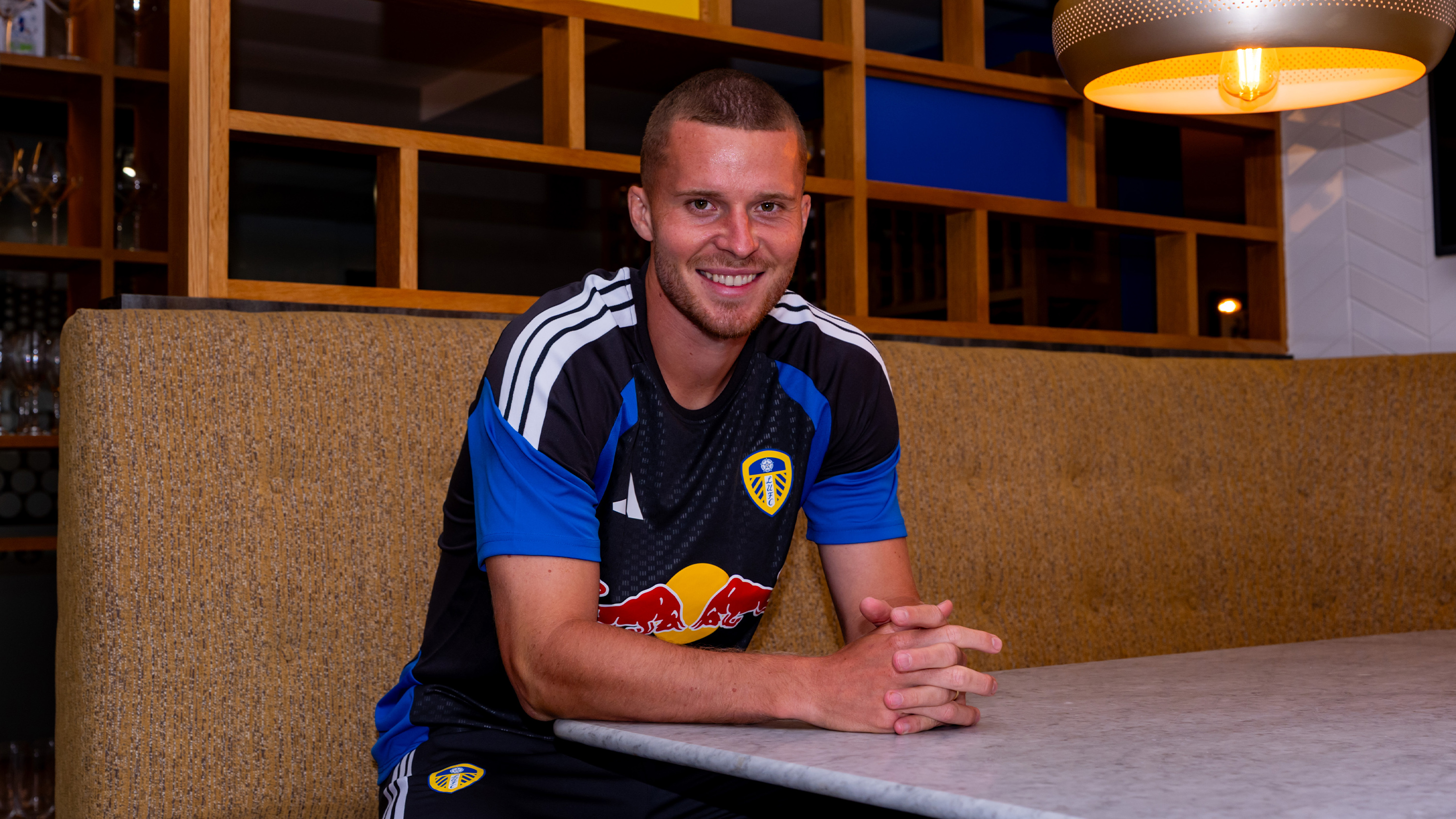
And on the topic of experience, you also, as well as the incoming transfers, you also secured long-term contracts for the likes of Ampadu, Rodon, Bogle, and Aaronson. How important was that for squad harmony, and to keep that kind of the title-winning, Championship title-winning core together, when you're also adding these new elements, more unknown elements coming in from the transfer market?
I think continuity has been one of our biggest strengths across the entire project, whether it's the staff or it's the players. Keeping the guys who are delivering for us in the building has been really critical. It also keeps that dressing room continuity and positive spirit going.
We were thrilled to get those guys extended. I also think at a more broader macro level, the move from PSR to SCR will encourage more of keeping your current players, instead of being a constant churn of trading. So for loads of reasons across sporting, continuity, spirit of the group, and so on we are glad to have those guys stick around for years to come.
And could you just take us inside deadline day from the club's perspective? Because I'm sure there was an element of it being quite hectic, but at least from the outside, it definitely looked a lot more methodical than perhaps some of the other Premier League teams or some of the other chaos that was going on, on deadline day elsewhere. So could you just kind of run us through how it all panned out with eventually getting towards Melvin Bard and Bahoya, who obviously you've been tracking for some time, like you said?
Sure. And I'll give you a multi-part answer here.
The first thing is, I understand the thrill of deadline day from the outside as a sort of fan spectacle, but I will say that internally I would like to avoid making deadline day part of our core operations, the same way you avoid January being part of our core operations. So please don't get used to it!
Secondly, to your question on the so-called “chaos”, it was a super intense day. I'm not sure it was chaotic, but it was very, very intense. The big hero of that day was probably Hannah Cox, our head of football administration, who along with Abigail Stenton got functionally five transactions done in one afternoon, as a loan deal plus an option on two different players operates like four deals in one day, plus they had to manage Willy's loan plus option as well.
The reason why we were able to deliver on that was because we had a plan in place, and had done the work already on both Melvin and Jean-Matteo previously, including not just the scouts, but also the coaching staff. When you have layers of preparation, you can react quickly to when things change around you, and I was very proud of the team for being able to execute, and for flexibility and capability on deadline day.
At the same time, as you've seen from around the league, my biggest gripe with deadline day is not just the kind of circus that surrounds it, but also that things are beyond your control and things can go wrong. You end up working with a player and his agents, and the other club, and various law firms, and even cross-national contract databases, and it’s all happening at once. The risk on deadline day is that you're not in control of the outcome. For example, at 11:00 PM and later on deadline day, we were coordinating with three different law firms to redline four different documents across multiple countries, and the pressure is immense while the margin for error is more or less nonexistent.
Getting it done was great, and I'm glad that it seemed calm, cool, and collected from the outside, but it was a very intense day for us, and I have been kindly asked by Hannah to never do that ever again!
Third, in terms of the strategy and the players who came in: Coming into deadline day, the key for us is to have optionality. Because we checked off the biggest needs early, it felt like, as Daniel said, you know, maybe one or two more was the line he would use. We were frankly pretty comfortable with it being zero, one, or two players in. Two felt the most unlikely, if I'm being honest. One felt the most likely, but even if we didn't find anybody, we'd rather do none than do a bad deal.
So to get two good players on the sort of deals we got them on was a big win for us, but it was never required, because we like to avoid being in a place where the strategy requires a deadline day deal. That was the biggest frustration last summer as well, because we had Facundo fall through, and we found ourselves needing a deal on deadline day despite hoping to avoid it.
This year, our sort of internal mandate was, "Let's not have the whole team hinging on deadline day” and frankly, it didn't, but also the team is stronger because of what we got done that day as well, so it was certainly a net positive.
I think it was 44 transactions that you did in terms of players over the whole window, which is great. And in the detail that you've gone to, just for one player can be four different transactions or two different transactions. Where does it leave you in terms of SCR now? There's one independent body to suggest that Leeds are over, by a few percent, because you're allowed 85%. I don't know if that's accurate. Robbie, you're the man with the figures. So, are Leeds in a position where they could be fined, but not going to get any points deductions, basically?
The high level answer is the same as last summer, which is our goal is to spend all we can under PSR or SCR, and I'm confident we've done that. The actual way it works is complicated so you don't know exactly how much you're over or under until the season's over based on placements, cup runs, partnership revenues, game day sales, things like that but I'm confident we are spending up to the limit. We won't know if we're a little bit over or under for the year until it's over but we did not leave any meat on the bone this summer.
It's also worth noting that this year SCR is in a phase-in season, so there are no levies this season. Even if we end up over, there would not be a tax, and we’d certainly be well short of a points deduction.
To your broader question on points deductions or other penalties, in general we would rather run up to the line, and if we get a bit over, take a fine if we have to, than run too far below the line and leave ourselves with a gap in the squad. Even then, the rules are pretty complicated but allow for some overage, so if you are aspirational and plan to achieve certain revenue targets and miss by a bit, it's not like PSR where you miss and it's instantly a points deduction. It would be a fine only. The structural goal is to have a soft landing if clubs wrong so they can be aspirational, which is certainly our intent here.
All of which is to say is that yes, we are tracking at that 85%, maybe a bit over, maybe a bit under. But even if we end up over, fans should not panic. It's not going to be some kind of crisis or points deduction for the club as it would just result in a levy. And this year the levy is being waived because it's the first year under SCR.
That's quite reassuring, Robbie. And I imagine that fee could all be adjusted with the January window as well?
Yeah, those things all evolve. So whether it's revenue changing or it's your spending profile changing over the course of the year, your actual SCR result won't be known until May or after.
It will now be a little harder to give yourself more revenue because the way that sales were accounted for has changed from PSR to SCR. I mentioned earlier that in PSR the profits from a sale are booked all at once. Under SCR, they spread it out over multiple years. So you can't just sell a player for 20 million, book 15million to profit, and then clear your books. The profit is chopped up over multiple seasons. January will still affect your SCR based on your buying and selling, but it's different than PSR, and it's probably less volatile than the prior model would have been as far as how those transactions affect your books.
Did you say it's three seasons that the sale is broken down across? You said multiple seasons.
Yes.
So is your gut feeling that in the position Leeds are in, is SCR better for Leeds than PSR?
The short answer is yes. I think SCR is good for Leeds long-term. I know there's been some curiosity around why we voted against SCR last season. I think that this year in particular, I would rather have had PSR, because we were coming out of a three-year PSR window that included a very tough first year in the Championship. That year was going to roll off our three-year window this year and that could have given us potentially a lot of freedom this summer. The move from PSR to SCR, robbed us of that opportunity so I was hoping for more of a phase-in year where you could pick PSR or SCR, or perhaps we delay SCR by a year, that kind of thing.
Long-term, SCR is probably better for Leeds, because the teams that tend to benefit are teams that have a large fan base, strong commercial revenues, that kind of thing, and we're probably more in that peer group than in the alternative peer group. So I think SCR is good for us long-term, even if I had selfishly hoped that the PSR era would have lasted 12 more months.
Finances come onto departures, and quite a few went as loans. And they seem to be players that probably don't have much of a future at the club anymore. So there's probably a good reason why. But can you explain to fans why there were loans for players that seemed to be quite easy to make permanent? Just explain that for people...
Well, first off, we can't rule out any players on loan coming back to part of the squad. Because you never know. And some of those loans are what I'll call “featuring loans,” as those players could go and play more elsewhere and get themselves minutes, to get themselves either moves elsewhere or to come back here having played more than they would have played for us this season.
Stepping back a bit more broadly on the topic of selling, I think selling is a lot harder than it gets credit for. This is especially true in our current position as a promoted team when you're selling players who either helped you get out of the Championship, were added in our first year in the Premier League, or are from our previous stint in the Premier League. The buying market for those players is quite narrow, covering teams at the very top of the Championship, at the bottom of the Premier League, and maybe a handful of teams in Europe.
In general, if you look across the league, selling is getting harder and harder because the price tag of players looking to leave England is now a price tag that most teams in Europe can't pay, whereas 20 years ago that wasn't the case. You're seeing the Premier League pulling beyond the middle market or even upper middle market in Spain, Italy, France, even Germany to some extent.
I would rate our summer of getting players out as a relative success. Certainly we’d like permanents in some cases more than loans, but even with the loans some are obligations likely to trigger.
In general, I think that Adam and Andrew Taylor did a great job of getting players into solutions that work for us and for them. That's the last and most key part of it: Selling is not just finding a team that wants your players. The players also have to want to go there. We need to be mindful that these players have all accomplished some pretty big things in their career, having gotten promoted, or played in the Premier League, or played in top five leagues, and so on, so they will want to find the right situations for themselves too.
Back to the sort of Venn diagram concept before: we have to find the overlap of a team that wants your player, a team that the player wants to leave Premier League to join, at a price that team is willing to pay, and a price that we think is appropriate. Finding that intersection gets pretty tight and was a ton of work, probably as much work on that as the inbounds, frankly. Overall, you'd always love to sell at a higher price or more certainty and with a couple fewer loans, but I think in general it was a pretty good summer on that front.
Loan options, I mean, you're probably not going to tell us, but what trigger does Jean-Matteo have to activate for him to become a permanent Leeds player? And if you're not going to tell us.
Yeah, it's an undisclosed trigger.
On a spectrum, does it feel likely, in the way you've just described some of the outgoing loans as quite likely? Can you pitch that for fans to manage expectations?
I’m not going to comment on his trigger, but the key thing for us is we are looking at him as a player that can be a long-term solution in the Premier League. Daniel's goal is to train him every day as part of the squad for the long-term, give him opportunities, develop the talent. And if things all go right, he'll be a player you want to have in the building whether it’s via his obligation being triggered or whether it’s just taking the option. Our goal is to make him successful irrespective of what the trigger terms are. That’s the overall objective.
Is that the same with Melvin? I know it's different setup, and it's different clauses and all that. I know that's an option, not an obligation.
Yeah, he's not on an obligation, but it's the same principle. If you can find players that you think are good enough in the Premier League and worth the price tag, you want them in the building, right? Both those guys were on lists before deadline day, so we obviously believe they have the capability of achieving that. We'll see how the season goes, but the goal is to make them both successful, and the early returns are definitely positive.
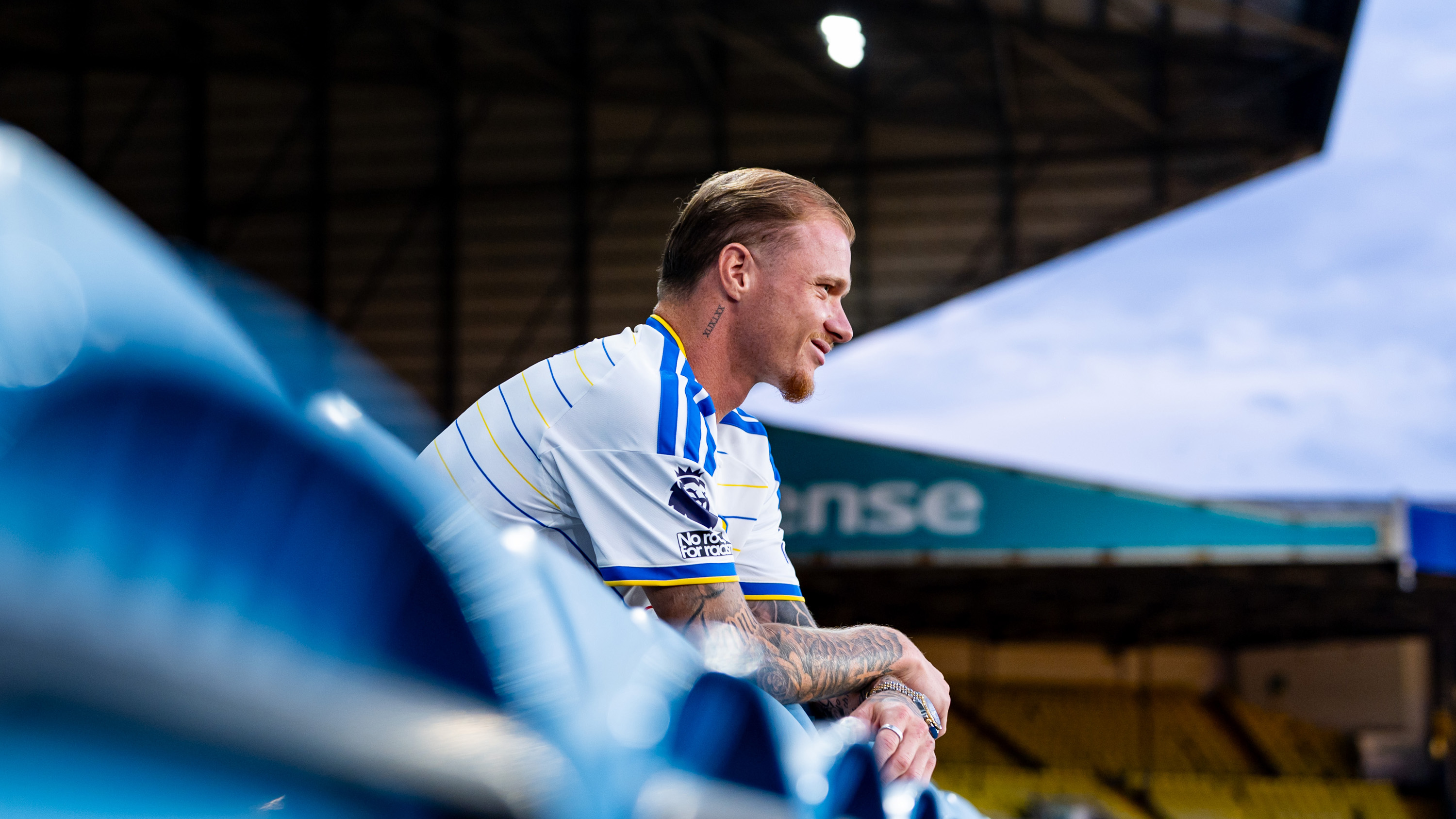
And as you said, on Jean-Matteo, obviously there was a lot of work done on that in advance, but on deadline day, it seems like he had other options. How did that sort of pan out, and when did he become a realistic option for you or not?
I'm sure he had interest. There was some public interest from other teams in the Premier League for him that I saw. I don't know who else came from deadline day as we were focusing on ourselves. Our focus was entirely on “okay can we get this done?”.
But we talked about how deadline day itself developed. How did that sort of deal develop? Did you start the day thinking, "We're not sure if this is going to be doable," or were you always confident?
Like I said earlier with deadline day, you're never fully confident because so much is beyond your control, but we knew who our very, very small shortlist was to go after if our initial target didn't work. The minute that was clear it wasn't going to happen, we pivoted to Jean-Matteo. And we had some very positive indications very quickly from both the club and the player. Even then, it becomes an execution game you're never overly confident until you literally do the Docusigns, and you're all signed and submitted online to the various powers that be.
Sure. At what point did you, whether it's on deadline day or before, have to realise we're going to have to pivot from Mudryk to Jean-Matteo?
I think, like I said before, you always know there's possibility of having to change your plans. We knew what our other options were the entire time. As the conversation with Chelsea progressed, it was pretty clear it might not work, so we had to be ready for the next thing.
But there's a really big difference between “it might not happen” and “we're making the decision to move off that other deal”. You're getting ready and getting ready and getting ready, and then when you sort of hit go on the pivot, that's when things fly into action.
We try to be prepared with contingent plans across all these deals, whether it's the winger situation or if a team had come in on one of the other guys such as a James Trafford. If a top target had suddenly said no I am going elsewhere, we had to be ready to move very, very quickly onto the next target.
How much did Joe Rodon's injury impact the decision to go in for Melvin Bard?
The left back discussion has been going on all off-season, but certainly Joe being out for two months affected that, because one of the solutions to fill his role is James Justin. It wasn't the sole factor, but it certainly influenced things. I would say the relative priority of who to go after may have changed a bit after that weekend.
Daniel is very much at the heart, as you say, closes things out, very much involved. Where are you at with regards to his future, Robbie, from the club's point of view? What can you say?
I'll give another multi-part long answer on this one as I know it’s a topic many are asking on.
First and foremost, Daniel's done a fantastic job here, and we're thrilled with the last couple seasons. We want to keep it going, keep building the long-term project. And so we were trying to find a solution with him long-term.
It's also important to note for our supporters that the ongoing operating relationship between Daniel and Adam and myself has never been better. The level of collaboration and coordination this summer was truly excellent. Getting our top targets in, talking every day, it’s a testament to Adam and Daniel both. I know some might fear that a deal not being done might cause things to fall apart behind the scenes, but it’s actually been the opposite of that. They're really, really strong right now and delivering at a very, very high level.
As far as the contract discussions themselves, Daniel and I, Daniel's team and I, have had really good chats for the last three months and we're all on the same page as far as what we want to accomplish, the long-term project. We simply haven't got the deal done yet, but we're working towards a solution.
I think, again, as broader context for people, extensions might feel like they are relatively straightforward, because you're both at the same company already, but I think them as being quite difficult, even more than first-time signings, because unlike signing him back in '23 or doing a deadline day deal, the time pressure is far reduced. We have the time to get it right as far as what he wants and what we want, and to deliver on that long-term project. I know it feels like it's taking a long time, but, you know, Ethan's deal took over a year to get done. We tried to get it done last spring, and then last summer, and then last fall, and then in January, and it wasn't done until June. Similarly the Rodon, Bogle, Aaronson deals, all those guys took months to finish.
I wouldn’t read into it taking us some time as a problem. It just means we're trying to get it right, because we have time to get it right. As long as we're still operating together as a group I'm not worried, and we're doing great on that front.
So that's the long answer. And the short answer is that he's done great, we want him to be here long-term, and we're working on it. And when there's news, we'll share it with you.
I think it's fair to read into that then, Robbie, that there's no major diversions into policy or where you see the club going, or he's pretty attuned?
No. I think that we have a great operating model, and we want to keep that going. We all know how to best work together. We did it all summer and last year, and the vision would be to keep on operating in a similar fashion going forward.
It's very minor, but I'm interested in Sam Byram, his name was included on the retained list as a possible extension. So what happened with Sam? Was there ever a possibility of a token inclusion on the retain list? What was happening with him?
First off, I love Sam. Sam was one of my favorite guys in the whole building last season.
With anything in life, options have value. One of my first lessons of economics 101 was “options have value.” So we'd never write off an option if you could keep it, and we kept open the possibility he'd come back. We just said, "Let's keep it open, see how summer goes. You never know. Obviously, the goal is to probably get better and get younger, but let's not close the door just for the sake of closing it.”
And then in the end, we found our solutions, he found his, and everyone's hopefully happy with their current status. We are happy with where we are, and I hope he's doing well at Boro too.