
'/%3e%3cdefs%3e%3clinearGradient%20id='prefix__paint0_linear_4737_37157'%20x1='3.018'%20y1='23.6'%20x2='44.925'%20y2='24.977'%20gradientUnits='userSpaceOnUse'%3e%3cstop%20stop-color='%231CB7FF'/%3e%3cstop%20offset='.502'%20stop-color='%232FF58B'/%3e%3c/linearGradient%3e%3c/defs%3e%3c/svg%3e)


World Cup final extended half-time break could increase player injury risk, expert warns
Jul 16 2026 16:51 · By onefootball.com · 35 Reads


Open menu
OneFootball's home page
Search
Settings
Sign In
The Independent
·
16 July 2026
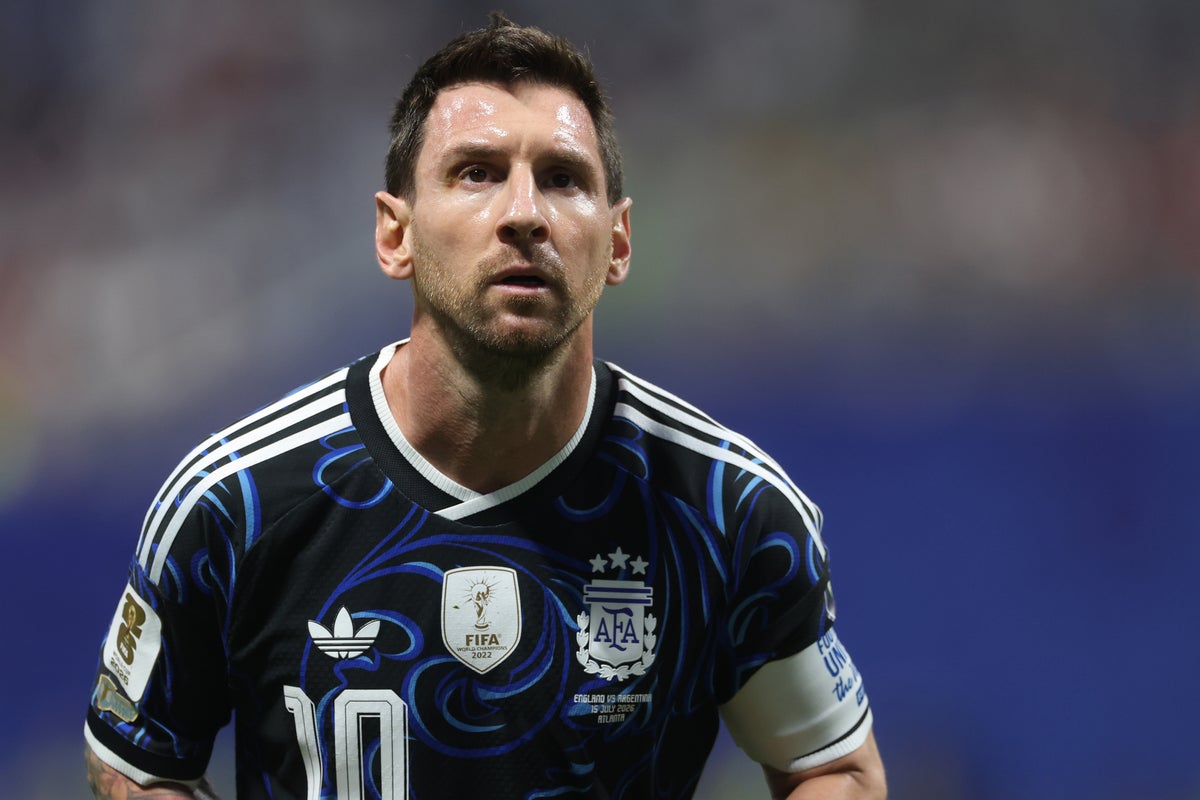
An extended half-time interval at Sunday’s
World Cup final
could significantly elevate players’ risk of injury and diminish their on-field performance, a leading physiology expert has cautioned.
The highly anticipated clash between
Argentina and Spain
at the MetLife Stadium in New Jersey is set to feature a half-time break lasting between 25 and 30 minutes.
This extended period is largely due to Fifa’s plans for an 11-minute, star-studded entertainment show during the interval, a duration that directly contravenes the sport’s regulations, which stipulate a maximum 15-minute break.
Dr Liam Harper, a senior lecturer in physiology at Manchester Metropolitan University’s Institute of Sport, expressed concerns about the physiological impact on athletes.
He told the Press Association: "We know a 15-minute half-time period is enough to reduce muscle temperatures back towards resting levels."

Lamine Yamal could be a key player in the
World Cup
final for
Spain
(Getty)
Dr Harper elaborated that elevated muscle temperature is crucial for optimal performance, being "associated with increased power output and rate of force development, hence why warming up is effective not only from an injury risk reduction perspective, but also an enhanced physical performance perspective." He warned that with the break being extended, this reduction in muscle temperature "will be potentially more pronounced”.
While acknowledging that players are somewhat accustomed to longer gaps before kick-off – often around 30 minutes between their initial warm-up and the game starting – Dr Harper highlighted the specific challenges of a mid-game break.
He noted that a standard 15-minute half-time would provide ample time for refuelling, rehydrating, and crucially, cooling down core temperatures, especially with match-day temperatures expected to reach around 30 degrees Celsius.
However, Dr Harper conceded that the 30-minute break might offer some benefits, providing a greater opportunity for players to refuel, particularly with carbohydrates, and rehydrate. From a coaching perspective, this extended period could also prove advantageous.
To mitigate the negative effects, he suggested Fifa could allow players a two to four-minute ‘re-warm up’ before the second half.
"Doing a re warm-up has been shown to be beneficial for sprint and jump performance versus not doing any sort of physical re warm-up prior to the second half," he explained.
Additionally, he proposed that "using foam rollers and massage guns (percussive therapy) may be a beneficial way to maintain range of motion, neuromuscular efficiency and just a general feeling of ‘staying loose’ and there is some data to support this."
Argentina v Spain: date, kick-off time and World Cup final highlights
Coluna do Fla
Spain vs. Argentina: How to watch, stream 2026 FIFA World Cup final
Major League Soccer
2026 World Cup final: when Argentina and Spain play, time and TV
Radio Gol
Spain v Argentina: historic final between two kings 👑
OneFootball
2026 World Cup final: Argentina v Spain, venue, time and TV

Predicting which clubs the summer's biggest free agents will sign for
There are still some massive names who are set to become free agents in the summer, with some high-profile deals due to expire at the end of next month.As speculation...
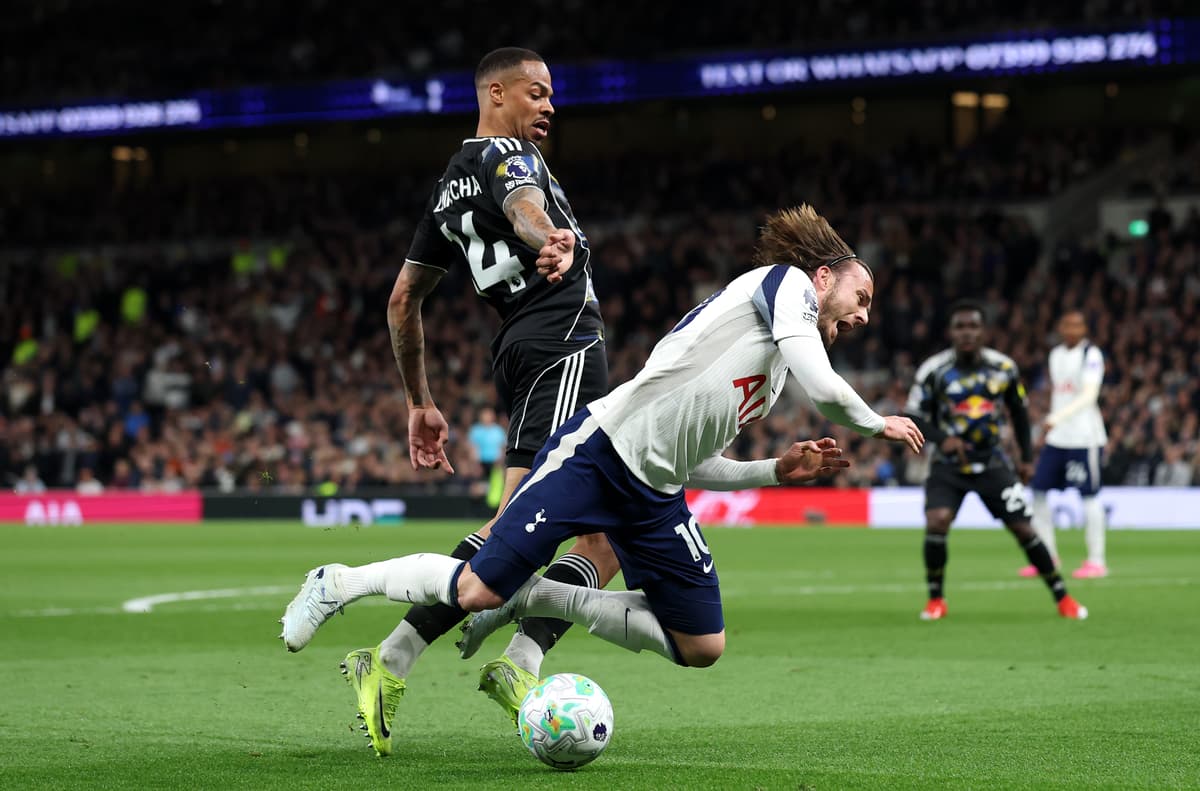
Tottenham: Why James Maddison was not awarded a penalty against Leeds as Premier League issue statement
Spurs midfielder denied a big moment on his return from injuryThe Premier League has explained why Tottenham were not awarded a penalty in their draw against Leeds.As the clock ticked...
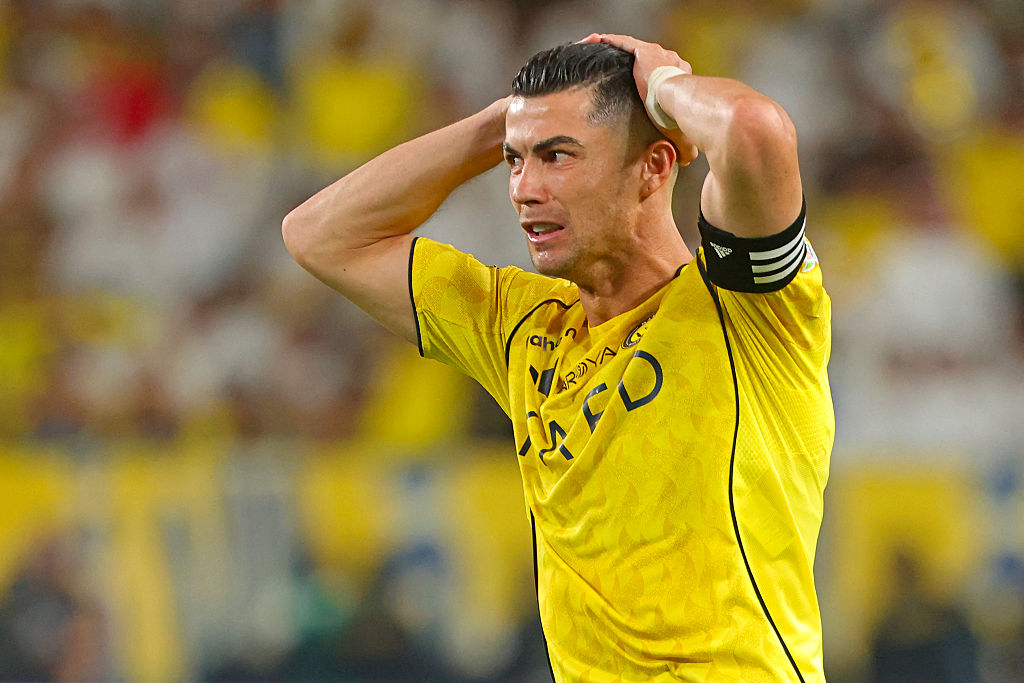
Bento's howler delays CR7's first title in Saudi Arabia 😱
An ugly mistake by Brazilian goalkeeper Bento prevented Al-Nassr from winning the Saudi League title this Tuesday.Cristiano Ronaldo’s team was leading 1-0 until the 53rd minute of the second half,...
Live
















































©
2026